
Edgar Sawtelle
Posted: March 31, 2010 Filed under: Apso Aficionados 1 CommentThis didn’t happen last night…it happened October 9th. There were plenty of treasures in my @blog folder. This is one.

Last night Ken and I drove down to the valley to a booksigning. First time I’ve ever done something like that.
David Wrobeleski, author of The Story of Edgar Sawtelle, was in Alb to promote the debut of the softcover edition.
We bought another hard cover, and I took the one I already had, to be signed. He gave a wonderful talk about the book, answered lots of good questions, including one or two from me, and read from the book. It was great to hear about his long process of writing the book, how the ideas came to be, and how long it took him. He wrote a draft and 12 re-writes over a period of ten years, but said the entire process took 15 years from concept to completion. He did much research, but obviously wrote from his heart, from what he knew and lived. He is a very talented individual, humble and modest and quite charming. Younger than he looks on the cover picture, but quite bald!
I asked him how he came to know dogs so well, as it was quite obvious in the book that he knew dogs intimately. He said he grew up on a small farm in mid-west Wisconsin, in a small family, and his parents bred and raised dogs (didn’t say what kind). It was his job, as a child, to socialize the pups and clean kennels. He also talked about the one, very excellent dog, he’s had as an adult. Said he realized that he was not worthy of this very special dog and embarked on a mission to learn more about how to train dogs and came across Vickie Hearne’s Adam’s Task, which had a profound impact on his ideas about communicating with dogs. (Me, too.)
It was wonderful to talk with him. We have amazingly similar backgrounds, in some areas, and certainly share a deep love of dogs. He signed my book, “To Katy, who knows how great it can be with a dog.”
We also had him sign one, as a Christmas gift for our son-in-law, Ryan. He’s an English Lit teacher in Portland.
He’s writing another book, this one based on Edgar’s grandfather, John, who started breeding the dogs.
Something to look forward to!
He also recommended a couple of books that he’s thinks are excellent. One, I plan on finding and reading.
 It’s called Dog Man by Martha Sherrill. Perhaps you’ve already read it. About the Japanese man who saved the Akita after WW2, when only a dozen were left. His Akitas are considered National Treasures in Japan. I read a few pages on Amazon, and it sounds great. Will try and find it at the library.
—
Katy
Can your dog do this?
Posted: March 30, 2010 Filed under: Apso Aficionados Leave a commentIt appears to me this dog’s owner is a young woman, perhaps still a teen-ager. Her name is Heather. Her dog’s name is Jesse. Not only has she done a wonderful job using positive reinforcement (operant conditioning) to teach Jesse, but her creativity shows off their skills. Snooping around a bit, seems like their work together is paying off.
The transition in dog training techniques has been something I’ve witnessed over the past too many decades. What a wonderful thing for canines that humans have realized there’s a better way to communicate lessons. Heck, with operant conditioning, even Lhasa Apsos can enjoy training…most of the time. But, then, there’s the catch. With operant conditioning you give control to the dog!
Ginny shared this…
Posted: March 29, 2010 Filed under: Apso Aficionados Leave a commentSo, one of the things that’s been fun for me is to watch the growth of the exhibitors I’ve mentored. Ginny sent this interesting read:
Why The Stand-Out Best Dog Can Be A Loser
Written by Katie Gammill, a herding group and working group judge since 1979. She is a poet and artist in addition to being a freelance magazine and newspaper writer.

A Story of Passage Through the Himalayas
Posted: March 27, 2010 Filed under: Apso Aficionados Leave a comment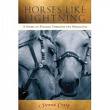
Himalayan Animal Rescue Team (HART)
Posted: March 26, 2010 Filed under: Apso Aficionados 2 CommentsJuliette Cunliffe is a founder of the Himalayan Animal Rescue Team. From the HART website:
Nepal is a poor country that has recently undergone an extended period of political instablilty. Animal welfare is a low priority among many other pressing concerns. HART aims to reduce animal suffering over as wide a geographical range as possible, starting from a base in Pokhara. Pokhara was originally a market town, but has grown into a tourist destination over the past twenty years. It is about 200 Kilometers from Kathmandu and has a population of around 200,000. It is situated near Lake Fewa and at the base of the Annapurna range foothills. It is the third largest city in Nepal after Kathmandu and Biratnagar.

 Kunza at FleetFire Timbers